

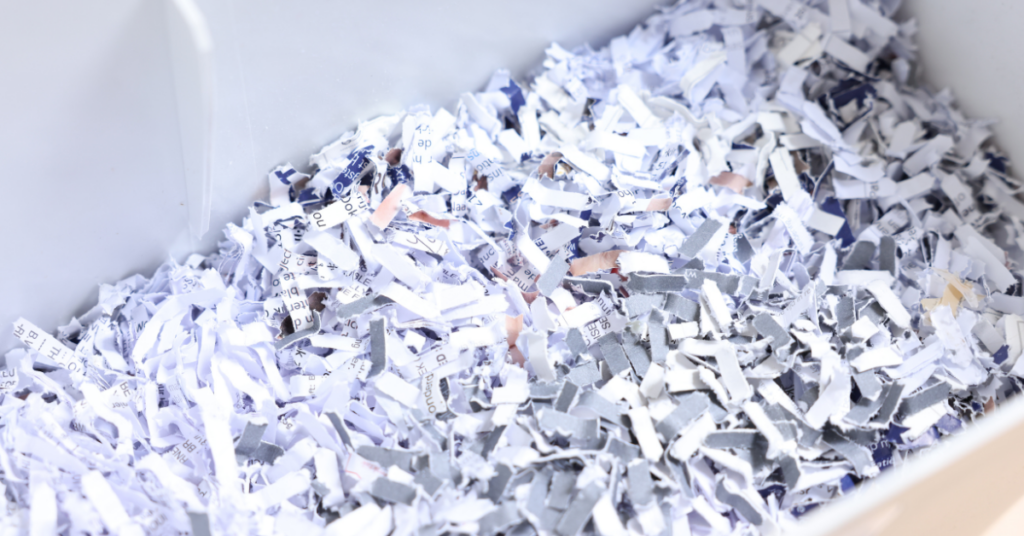
In today’s world of frequent data breaches and growing environmental concerns, recycling paper shredding plays a crucial role in both security and sustainability. Shredded paper recycling lets you protect sensitive information while giving used paper a second life. It’s more than tearing paper into strips. It’s about handling documents with care. Dispose of them safely to protect yourself. Do it in ways that also help the planet.
Understanding the Importance of Secure Document Disposal
Improper disposal of documents can be a goldmine for identity thieves, who may search through bins for items like utility bills or bank statements. A single discarded document can expose sensitive details that lead to identity theft, fraud, or legal issues. At home, this puts your privacy at risk; for businesses, it can mean financial loss and damaged trust. Companies that handle client information face even higher stakes, as a breach can lead to serious reputational and financial consequences.
Secure shredding acts as a barrier against unauthorised access by rendering information unreadable. It reduces the risk of identity theft and fraud and helps reassure clients and customers that their data is handled responsibly. Shredding services also support recycling by turning used paper into a resource. This paper can then be used to create new products. That process cuts the demand for virgin paper. It also helps conserve natural resources through more responsible disposal procurement practices.
In Canada, privacy laws such as the Personal Information Protection and Electronic Documents Act (PIPEDA) require secure disposal of personal information. Businesses must follow these laws to avoid fines and reputational damage. Proper shredding practices help organisations meet legal obligations and demonstrate a strong commitment to protecting client data.
Best Practices for Shredding Sensitive Documents
Shredding sensitive documents should follow a clear process to maximise security and efficiency. Start by removing large metal objects like binder clips to prevent jams and potential damage to your shredder. Sort documents by sensitivity so highly confidential items are handled fast. Make sure everyone at home or work knows the rules. Teach them which items must be shredded. They should not throw those items in the trash.
Choose a shredder that matches your needs. For personal or small home office use, a cross-cut shredder generally offers sufficient security and handles moderate volumes of paper. Larger businesses may require heavier-duty models designed for higher volumes and more frequent use. The right equipment ensures that documents are thoroughly destroyed and helps prevent bottlenecks in your disposal routine.
Set a regular shredding schedule to avoid piles of sensitive paperwork. A monthly or biweekly routine keeps documents from accumulating and reduces the chance that something important gets tossed intact. Aligning shredding with your document retention policy ensures items are kept only as long as necessary and then destroyed securely. For busy offices, outsourcing to professional services can streamline this process and ensure consistent destruction standards are met. Shredding is just one part of clearing out sensitive documents; if you are also dealing with bulky items you no longer need, you can explore smart ways to remove old furniture to fully declutter your home or office.
Environmental Impact of Shredded Paper Recycling
Recycling shredded paper conserves natural resources by reducing the demand for new paper made from trees. When shredded paper is recycled properly, it can be turned into items such as tissue products, cardboard, and packaging materials. This process uses fewer resources than producing paper from raw materials and helps lower overall energy use and emissions.
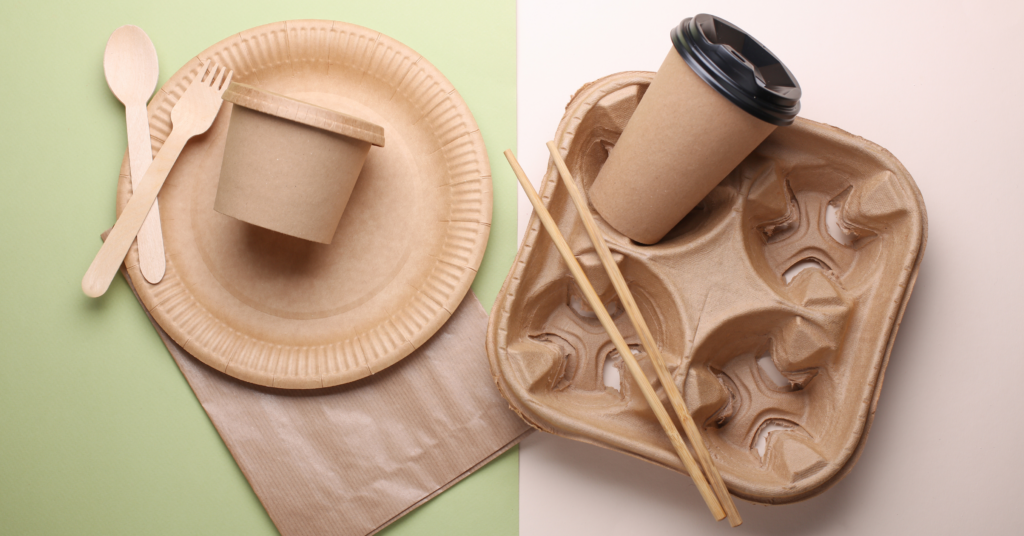
Compared to landfilling or incineration, recycling is generally more environmentally friendly. Landfills consume space and can contribute to pollution, while incineration releases emissions that affect air quality. Recycling supports a circular economy, where materials are used, recovered, and reused rather than discarded after a single use. Choosing recycling over disposal gives your shredded paper a second life instead of adding to waste. Just as shredded paper should be recycled responsibly, large household items also need careful handling, and learning how to dispose of a mattress the eco-friendly way can further reduce what ends up in your local landfill.
By reducing the amount of paper going to landfill, recycling helps ease pressure on local ecosystems. In regions like British Columbia, protecting natural landscapes and wildlife habitats is especially important. Participating in local recycling programs and using designated collection options allow individuals and businesses to support broader environmental goals across their regional district. Paper is not the only material that requires special handling; understanding how to safely dispose of and recycle different types of light bulbs helps keep hazardous components out of the environment. Many local services now focus on helping residents sort and divert paper correctly so it can be recycled instead of thrown away.
Common Mistakes to Avoid in Shredded Paper Disposal
Some common habits can undermine shredded paper recycling. Mixing shredded paper with non-recyclable materials (such as plastic wrap or food waste) can contaminate the entire batch, making it difficult or impossible to recycle. Always keep shredded paper separate from garbage and non-paper recyclables to maintain quality.
Overloading recycling bins can also create problems. Bins that are too heavy or overflowing may not be collected, and loose shredded paper can blow away, creating litter. Fill bins only to the indicated level and make sure lids can close. If you produce large volumes of shredded paper, consider additional containers or more frequent drop-offs.
Another frequent mistake is ignoring or misunderstanding local recycling guidelines. Not all communities accept shredded paper in curbside programs, and some require it to be bagged or dropped off at specific locations. Taking a moment to review your local rules helps ensure your efforts support, rather than disrupt, the recycling system. This might include checking whether a paper bag is required for shredded paper at drop-off points, or whether curbside recycling is available for shredded paper in your area.
How to Properly Dispose of Shredded Paper for Recycling
To prepare shredded paper for collection, place it in a clear or labelled bag so collectors and sorting staff can easily identify the contents. Tie the bag securely to prevent spills and keep it lightweight for safe handling. If your recycling program allows shredded paper in bins, follow its instructions on bagging or containing it so it doesn’t scatter.
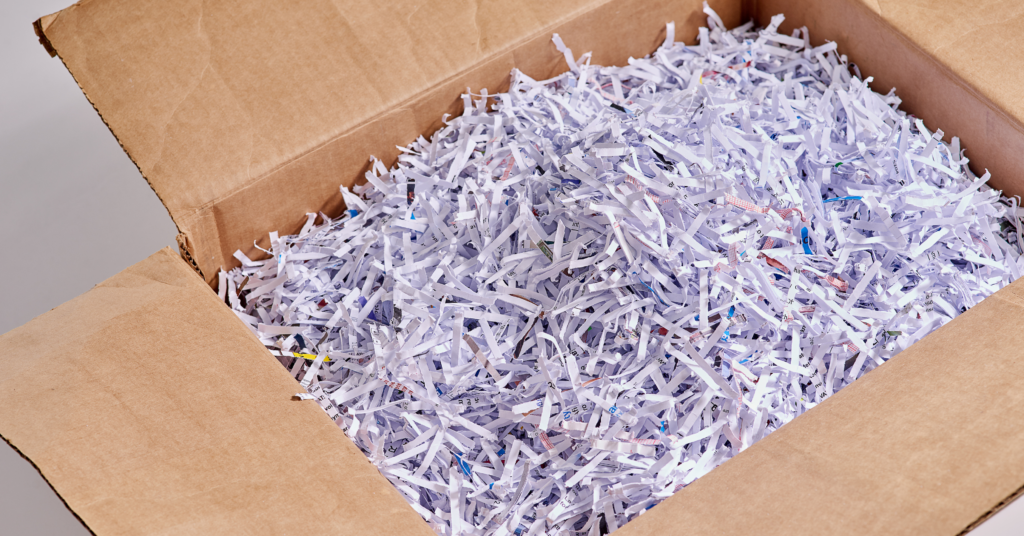
Use clean containers dedicated to recyclables, and avoid mixing shredded paper with liquids or food residue. Clearly labelling containers for shredded paper can help everyone in your home or workplace sort items correctly. Check your municipality’s website or printed guides for any special directions on shredded paper, including accepted bag types and set-out limits.
In BC, local or regional governments provide up-to-date information on recycling regulations and drop-off locations. These may include recycling depots, community centres, or special collection events for items like shredded paper and confidential documents. Taking advantage of these services makes it easier to recycle correctly and supports local waste reduction efforts in your province.
Working with Fresh Start Recycling
Partnering with local waste management providers like Fresh Start Recycling can make shredded paper disposal and general decluttering much easier. Our junk removal services can pick up mixed loads in one visit. If you are decluttering beyond paperwork, you may also need guidance on how to get rid of an old fridge and freezer efficiently, so large appliances are removed safely and recycled whenever possible. We take old shredded documents, boxes, and other unwanted items. This saves you time and effort. It also spares you from making multiple trips.
Fresh Start Recycling can securely collect your bagged shredded paper. They can also take other recyclables and junk. They then sort your materials with care. Everything is routed to proper recycling or disposal sites. By using a specialised service instead of curbside pickup, you boost proper recycling. For a broader look at how different materials are processed, you can dive into the mystery of recycling unveiled to better understand what happens after items like shredded paper, appliances, and furniture leave your curb or depot. This choice helps more material get processed the right way. It also means less waste ends up in landfills.
Recycling shredded paper effectively still requires a shared effort between households, businesses, and service providers. By working with Fresh Start Recycling, you support local waste reduction goals while keeping your space clear, safe, and organised. Their team can also guide you through a simple list of materials that should always be shredded before leaving your home or office, and even help you repurpose or recycle other items that do not belong in the trash.
In conclusion, shredding paper documents securely and responsibly is more than a personal or business choice. It is a clear commitment to protecting your information. It also shows a commitment to caring for the planet. With the right practices, you can transform what might seem like mundane disposal into a meaningful act of environmental stewardship. If you still have questions, fill out the quick online form. Review the terms of service and cookie policy. You can also change your language selection settings if you use multiple languages. So, how will you take the next step in your shredding and recycling journey?
If you’re ready to go beyond paper and clear out other clutter in a safe, eco-friendly way, let Fresh Start Recycling handle the heavy lifting with our professional junk removal services, so your unwanted items are removed responsibly and kept out of the landfill.