
When neglected spaces at the top of a home accumulate forgotten belongings, they often become an ideal sanctuary for unwanted guests. Boxes of old clothes, loose papers, and unused furniture provide the perfect nesting materials for wildlife seeking refuge from the elements. Over time, this undisturbed environment can transform a standard storage area into a severe biological hazard, putting the structural integrity of the property and the respiratory health of its occupants at significant risk.
Navigating attic cleanouts and pest issues: dealing with rodents and contaminated clutter requires professional precision and a deep understanding of biohazard remediation. Property owners often underestimate the severity of animal waste accumulation, which can quickly compromise insulation and air quality. Addressing these infestations promptly and thoroughly is essential to restoring a safe, hygienic environment and preventing future breaches in the building envelope.
Understanding the Rodent Problem in Attics
Why Pests Seek Shelter in Your Roof Space
Roof spaces offer a warm, dry, and largely undisturbed environment, making them highly attractive to wildlife. During colder months or periods of heavy rain, animals look for secure locations to build nests and rear their young. The abundant presence of soft materials, such as fiberglass insulation and stored textiles, provides immediate resources for these intruders. Because these upper levels experience infrequent foot traffic, populations can grow rapidly before property owners even realize an infiltration has occurred.
Common Types of Attic Invaders
Several species are notorious for infiltrating upper storage areas, including:
- Mice and Rats: The most frequent culprits, capable of squeezing through gaps as small as a dime.
- Squirrels: Commonly breach rooflines by chewing through wooden fascia or vent covers.
- Raccoons: Larger and stronger animals that can easily tear off shingles or roof vents to establish a den.
Each of these species brings unique destructive habits, but all contribute heavily to the accumulation of hazardous waste and debris.
Signs of Rodent Infestations and Contaminated Clutter
Identifying Droppings, Nests, and Odors
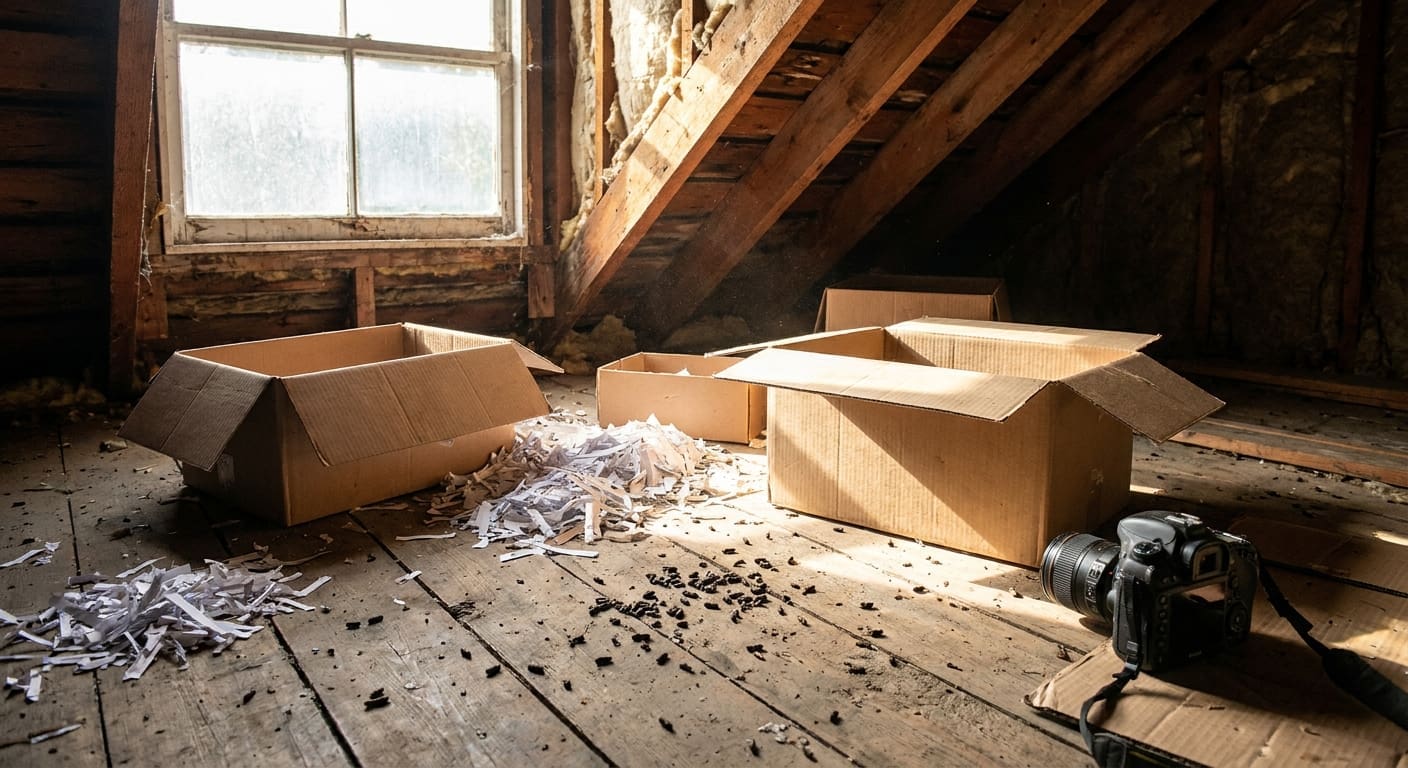
Early detection is vital for minimizing damage. The most obvious indicator of an active population is the presence of droppings scattered along floor joists, inside stored boxes, or near entry points. Homeowners may also notice a distinct, musty odor caused by accumulated urine soaking into wood and insulation. Shredded cardboard, paper, and fabric clustered in dark corners are telltale signs of nesting activity, signaling that the space is actively being used as a habitat.
Spotting Structural and Electrical Damage
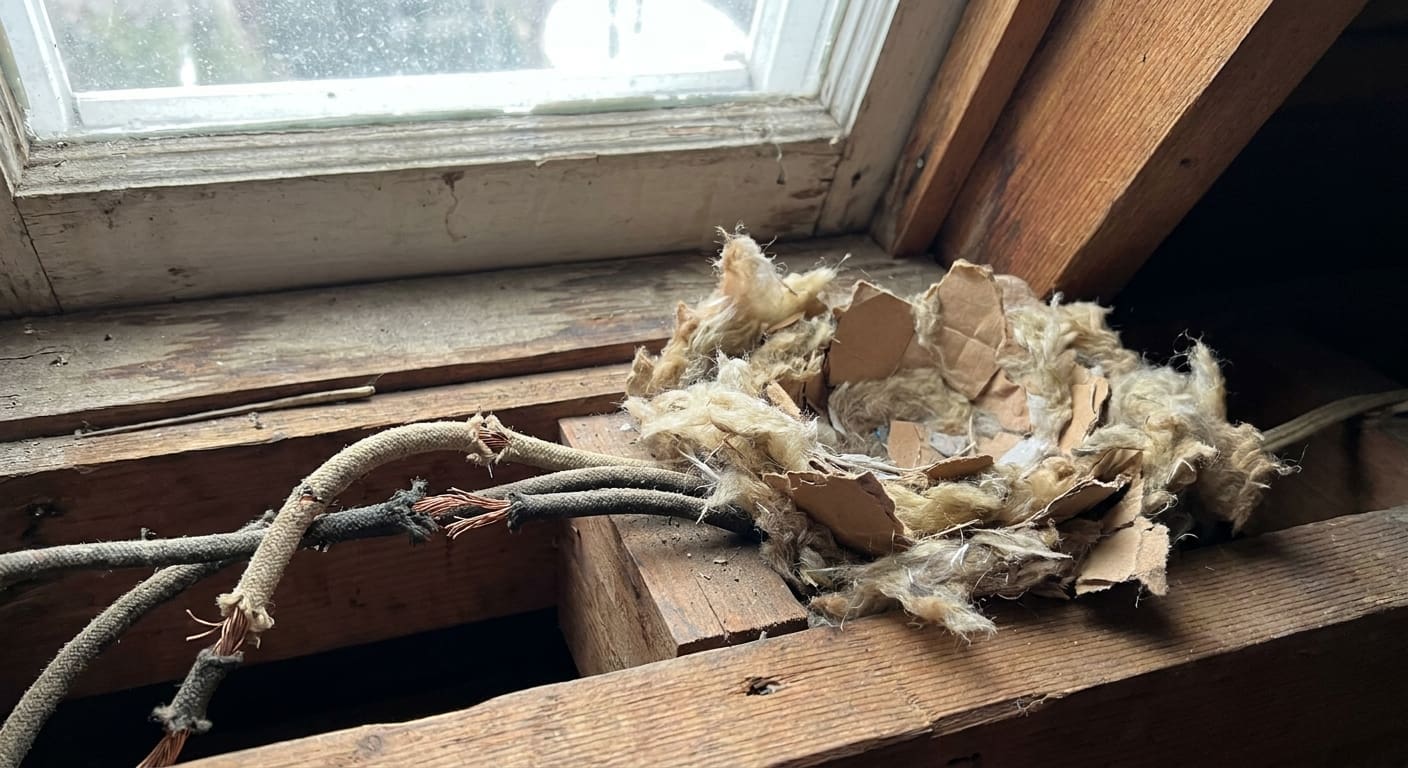
Beyond biological waste, pests cause severe physical damage to a building’s infrastructure. Rodents possess continuously growing incisors, compelling them to gnaw on hard surfaces to file their teeth down. This behavior frequently leads to chewed wooden beams, compromised drywall, and, most dangerously, stripped electrical wiring. Frayed wires left exposed among dry clutter and fluffy insulation create a critical fire hazard that requires immediate professional assessment.
Health Hazards of Untreated Pest Waste in the Attic
Airborne Pathogens and Respiratory Risks
The accumulation of animal feces and urine in an enclosed environment introduces severe health risks. Dried droppings can harbor dangerous pathogens, including Hantavirus, Salmonellosis, and Leptospirosis. When contaminated materials are disturbed—whether by moving boxes or simply shifting insulation—microscopic particles become airborne. Inhaling these pathogen-laden dust particles can lead to severe respiratory illnesses, making unprotected entry into a heavily soiled space highly dangerous.
The Dangers of Cross-Contamination in Living Spaces
The risks associated with upper-level infestations rarely remain confined to the roof space. Many homes feature HVAC systems, ductwork, or ventilation fans routed through these upper areas. If the surrounding environment is heavily contaminated, the central air system can inadvertently draw in microscopic pathogens and circulate them throughout the living spaces below. This cross-contamination degrades indoor air quality and exposes all occupants to the biohazards originating from above.
The Professional Attic Cleanout and Decontamination Process
Safe Removal of Soiled Belongings and Debris
Handling biohazardous clutter is not a task for the inexperienced. Since 2005, Fresh Start Recycling & Disposal Ltd. has built a trusted reputation for managing complex waste removal scenarios. Founded by Thomas Goodall with a socially and environmentally conscious spin, our team approaches every project with unmatched expertise. With over 600 sites cleaned up and a 100% job completion rate, we excel at safely extracting compromised items. We have successfully partnered with major organizations like Concord Pacific, Cadillac Fairview, Nexii, and Professional Organizers in Canada (POC OPC).
Our planet-first processes prioritize a strict three-step approach:
- Recycle: Diverting salvageable materials away from landfills.
- Donate: Partnering with charities to repurpose items whenever safe.
- Dispose: Responsibly discarding heavily contaminated waste at certified facilities.
This ensures we keep the garbage pile small and the environmental impact minimal, even when clearing out severe infestations.
Advanced Sanitization and HEPA Vacuuming Techniques
Once the bulk debris is removed, the focus shifts to meticulous decontamination. Professional technicians utilize industrial-grade HEPA vacuums to capture fine particulate matter, ensuring that hazardous dust is securely contained rather than dispersed into the air. Following the vacuuming phase, the entire area is treated with hospital-grade disinfectants to neutralize remaining pathogens and eliminate deeply embedded odors. This rigorous sanitization process is essential for returning the environment to a safe, neutral state.
Insulation Removal and Post-Cleanout Restoration
Extracting Compromised and Soiled Insulation
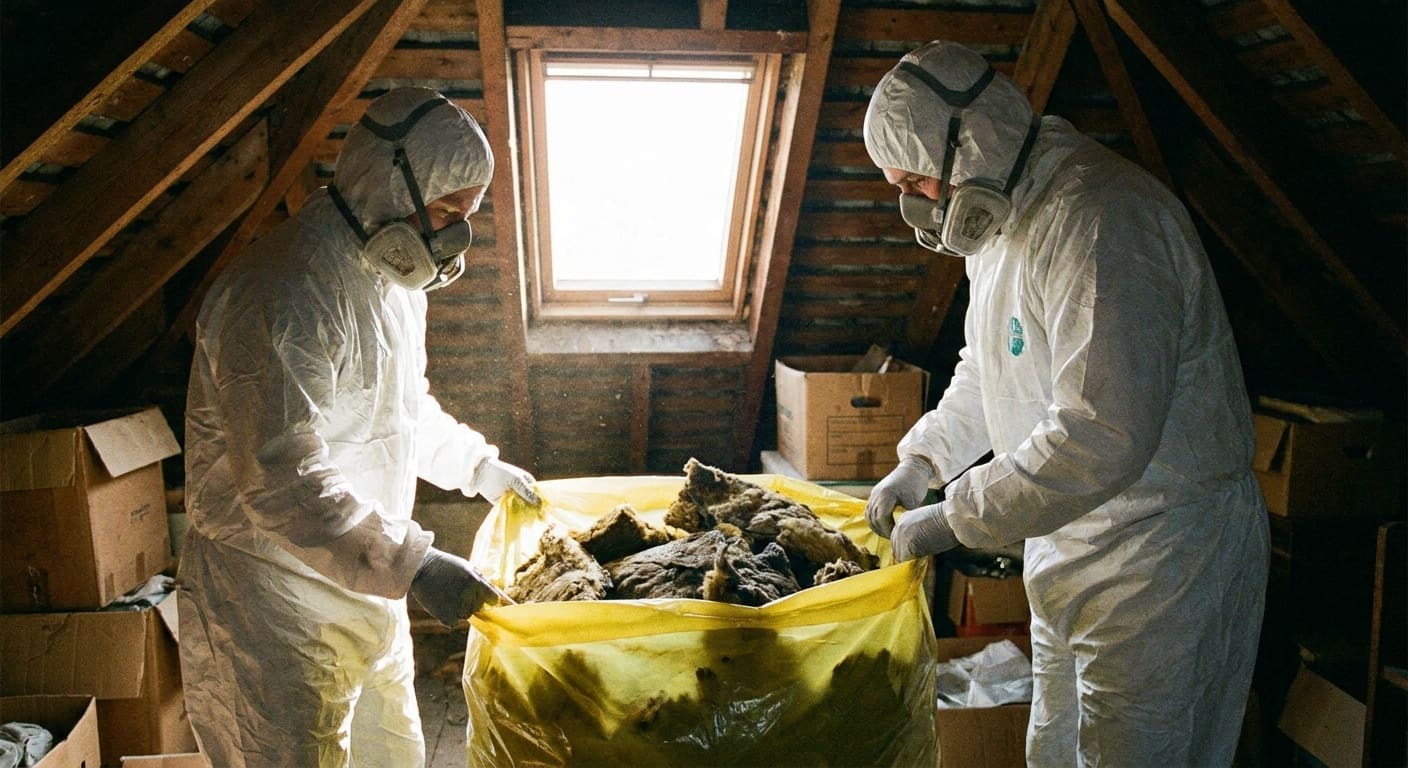
Insulation acts like a sponge, absorbing urine, trapping feces, and holding onto foul odors. Once compromised, its thermal resistance is significantly degraded, rendering it ineffective. Professionals safely extract this soiled material using specialized high-powered suction equipment that moves the contaminated fibers directly into sealed containment units outside the property. This method prevents hazardous materials from being dragged through the clean living spaces of the home.
Restoring Energy Efficiency and Air Quality
After the damaged materials are completely removed and the substrate is fully sanitized, the space is ready for restoration. Installing fresh, high-quality insulation not only restores the thermal envelope of the building but also drastically improves overall indoor air quality. By removing the source of the contamination, the HVAC system can once again circulate clean air, and the property regains its optimal energy efficiency.
Pest Exclusion: Protecting Your Home from Future Invaders
Sealing Entry Points and Vulnerable Gaps
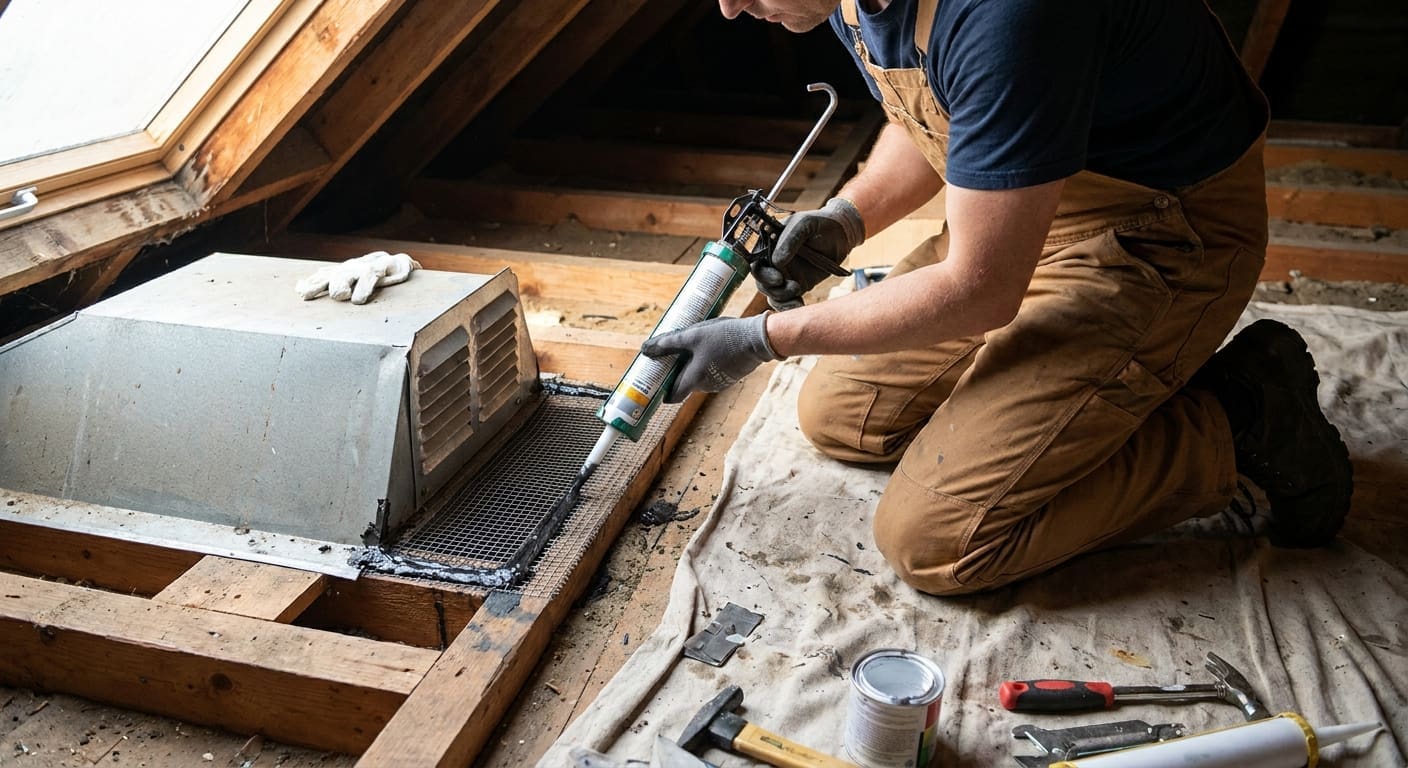
A thorough cleanout is only a temporary fix if the original entry points remain unaddressed. Comprehensive pest exclusion involves inspecting the entire exterior and interior roofline to identify and seal vulnerabilities. Professionals use heavy-duty materials, such as galvanized steel mesh, metal flashing, and specialized sealants, to close off gaps around eaves, soffits, vents, and utility penetrations. These robust barriers prevent mice, rats, and raccoons from chewing their way back inside.
Long-Term Maintenance and Professional Inspections
Maintaining a secure, clean environment requires ongoing vigilance and routine professional inspections. At Fresh Start Recycling & Disposal Ltd., we believe that managing challenging situations is fun for us because we are exceptionally good at it. Expect our team to always smile, converse, and engage, ensuring a Fresh Experience from the first phone call to the last haul. As proud members of the Home Builders’ Association and active participants in community initiatives like Open Door and Big Brothers Mentorship, we treat every project with deep care. With a 5/5 Google Rating and a 97% client satisfaction rate across more than 3,000 bins hauled, our ultimate goal is for you to feel understood, cared for, and absolutely thrilled with your restored, secure space.